Issue #5: April 2026
Read the Chinese version here.
Upcoming Events:
May is Falun Dafa Month. The school hosts events and activities to help students appreciate the sacredness of cultivation.
May 13, 2026: World Falun Dafa Day
School Closed. World Falun Dafa Day Parade in Manhattan. We encourage our families to attend this event.
May 14-22, 2026: ESL testing (select students)
May 24, 2026: LLA Falun Dafa Cultivation Experience Sharing Conference (Fahui)
LLA’s annual Fahui is a special event at which students share their cultivation experiences. Families and the public community are invited to attend.
May 25, 2026: Memorial Day
School Closed.
May 26-29, 2026: LLA Special Spring Program
Attendance optional.
May 29, 2026: Field Trip
Space Farm: Zoo & Museum
Virtue of the Month: Honesty
Honesty, being closely related to Zhen (Truth), one of the three pillars of Falun Dafa, touches all aspects of our lives. As Master Li Hongzhi explains in his book Zhuan Falun, this virtue Zhen (together with Ren and Shan) is embodied in everything in existence and is the characteristic of the universe. “This characteristic, Zhen-Shan-Ren, is in the microscopic particles of air, rock, wood, soil, iron and steel, the human body, as well as in all matter… This characteristic, Zhen-Shan-Ren, is the criterion for measuring good and bad in the universe. What’s good or bad? It is judged by this.” In April, our students deepened their understanding of the importance of being truthful and honest. Students learned that looking inward, keeping your word, and telling the truth lead to the establishment of strong, plentiful, and lasting friendships, and, more broadly, to the trust of a nation by its people.
In my virtue class, I usually supplement lessons with class activities and readings of poems, folk tales, and biographical accounts of outstanding American historical figures that espouse the specific virtue of the month. One of my favorite texts for this purpose is The Book of Virtues by William J. Bennett. This month, I read two biographical stories from such texts. One was the story of George Washington and the Cherry Tree, by Esenwein and Stockard, for its relatability. It depicts our most important founding father as a young, mischievous, yet honest boy, who makes the serious mistake of chopping down his father’s most precious cherry tree after being told to take good care of it. In the story, George rectifies his blunder by overcoming his fear of punishment and openly admitting to his father that he was responsible for the tree’s destruction. George’s father forgives him and acknowledges the boy’s tremendous courage in choosing to set aside self-interest to do what is right. Through its happy resolution, the story encourages students to be open and honest and not to be afraid to take responsibility, even when it may be hard.
Another of my favorites is a similar story in the book Honest Abe by Bennett, retold by Horatio Alger. It tells various stories of Abraham Lincoln as a young man who went out of his way to treat others fairly. Once, he mistakenly overcharged a customer a small amount on an order of tea he had not fully fulfilled. When he realized it the next day, he immediately shut his store and personally delivered the extra amount of tea that the customer had been shorted. From these two stories, the children learned how to approach a dilemma that has affected even the most famous heroes. Everyone of us has made mistakes at one time or another in our lives, but it is knowing how to rectify those mistakes, through looking inward or through honest, fair, and truthful behavior that truly paves the path to success.
Looking inward is also part of being honest. A student in my class who disliked another student very much and couldn’t stand the other’s presence. I asked myself what I could do to help this student improve their attitude toward the other student. Through consistent effort and perseverance on my part, I committed to helping the student overcome her dislike of the other student. One day, I asked the class to look around the classroom at each other. I then asked them what they saw. At first, they seemed puzzled, but then I explained. “All of you are here to learn because you are young and inexperienced. You all have challenges of some kind, and yet you all need empathy and yearn to establish friendships.” They were able to understand they were not so different from one another after all. Through this exercise, honest dialogue, and speaking with fairness, I created an opportunity for my students to look inside. Then I expressed to them my understanding of honesty. I told them that being honest or truthful is our natural state of being, and therefore, we should be able to naturally harmonize with the cosmos as well as with one another, since we are all within the cosmos. The student slowly started to self-reflect. By looking within, she was able to be honest with herself in a private way without anyone’s judgment. She thought more deeply about her relationship with her classmate, and within a few days, she was able to set aside her selfish view of the other student and embrace her for who she was. This brave act of honesty changed the course of both of their daily lives.
This month, I also included some personal accounts from Falun Dafa practitioners about the importance of honesty, from the Minghui website. “The Value of Honesty and Trustworthiness”, in particular, was especially striking to the class and me. It tells the story of a man in Ancient China who was unable to keep his promise to meet someone because he had fallen ill. Nonetheless, the illness, or even death, didn’t stop the man from keeping his word. Prior to his death, he arranged to be buried at that same meeting site, so when the time came, he would be present in body, although not in spirit. The same also goes on to tell other stories of how the ancient rulers or emperors highly valued honesty in their subjects. I highly recommend you read these to your children here.
In previous years, I’ve read other stories from Bennett’s book that encourage children to be honest such as: The Emperor’s New Clothes (by Hans Christian Andersen), The Honest Woodman (an adaptation of Emilie Poulsson), The Boy Who Cried Wolf (by Aesop), The Pied Piper of Hamelin (adapted by Joseph Jacobs), The Story of Regulus, (retold by James Baldwin), and the poem, The Boy Who Never Told a Lie (Author Unknown). Stories and poems such as these are essential for educating our children in the virtues of humanity. Children should be guided to understand that having the courage to tell the truth leads to stronger, lasting relationships, to the stability of society, and, in the end, to achieving great feats. It is my understanding that children who learn to value honesty early in life will have a very positive impact on their surroundings and even improve others’ lives beyond their own.
—Virginia Blanco, Gr. 4 & 5, Homeroom Teacher
2026-27 Registration Now Open!
Looking ahead to the new school year, Little Lotus is planning several new improvements and programs. The school calendar can be downloaded here. Registration is also open; please enroll here. We will continue to offer Financial Aid. For more information, please visit here. Thank you for your continued support of Little Lotus Academy!
—Sophie Liu, Principal
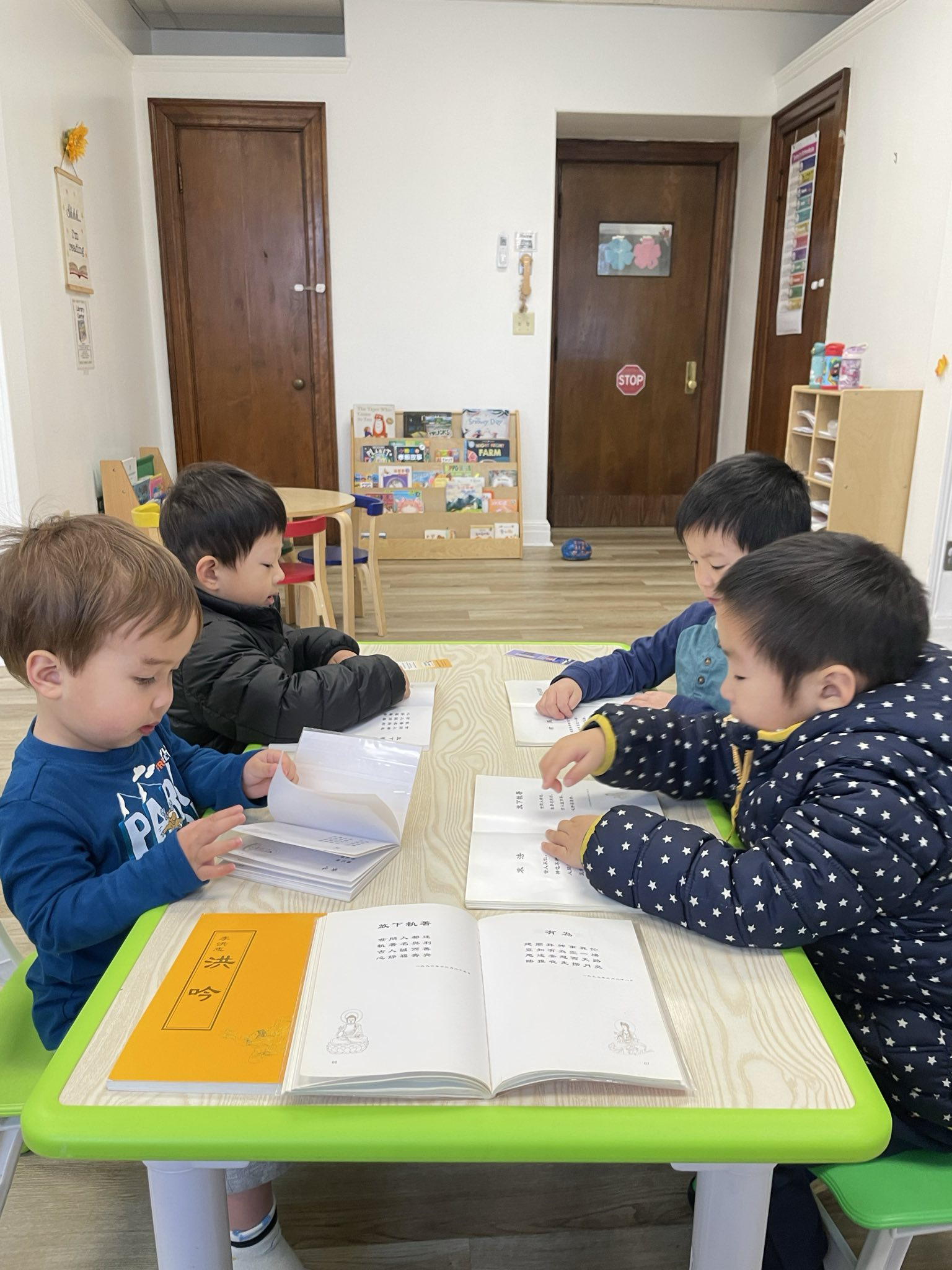
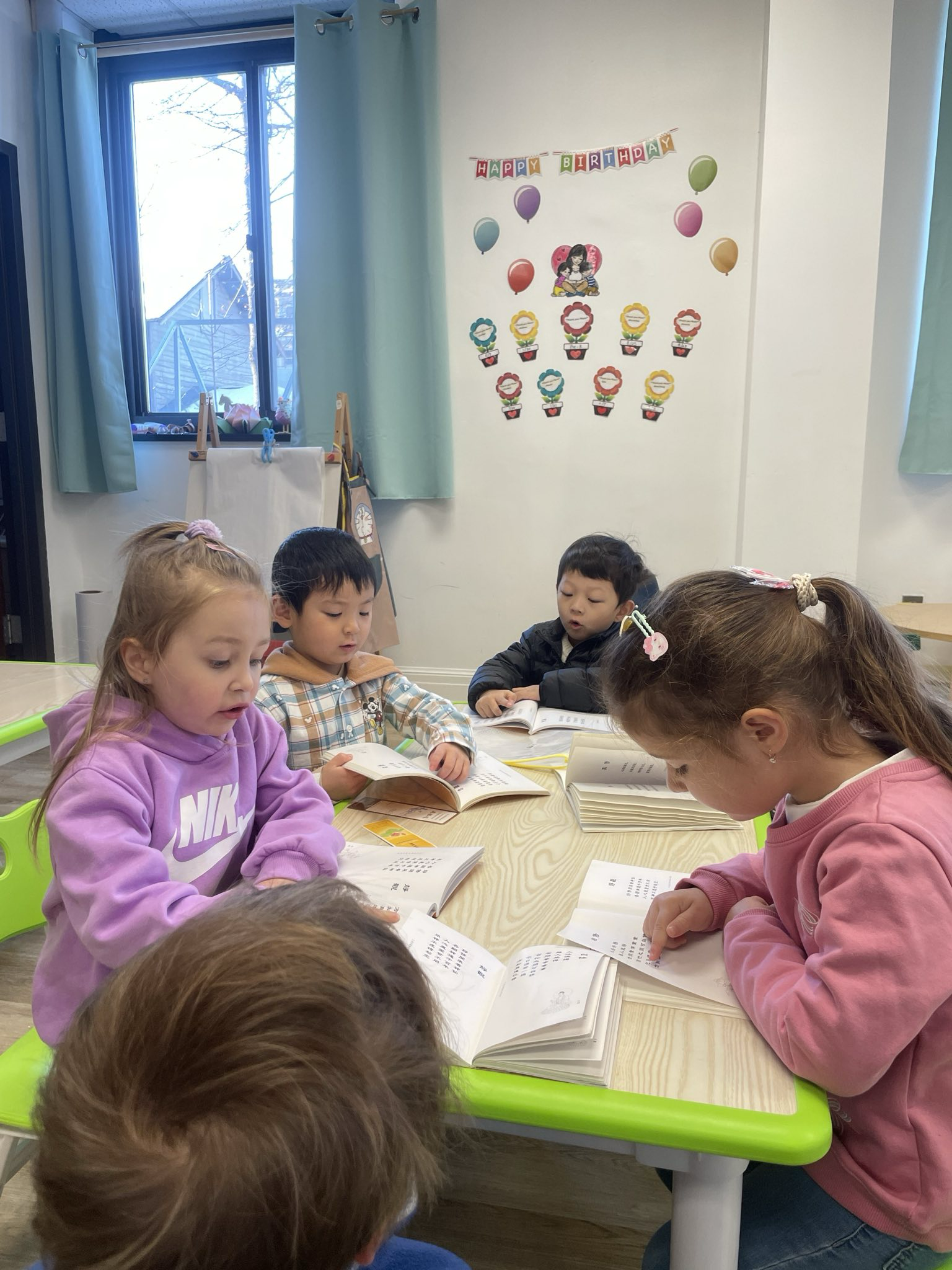
Toddler Fa Study
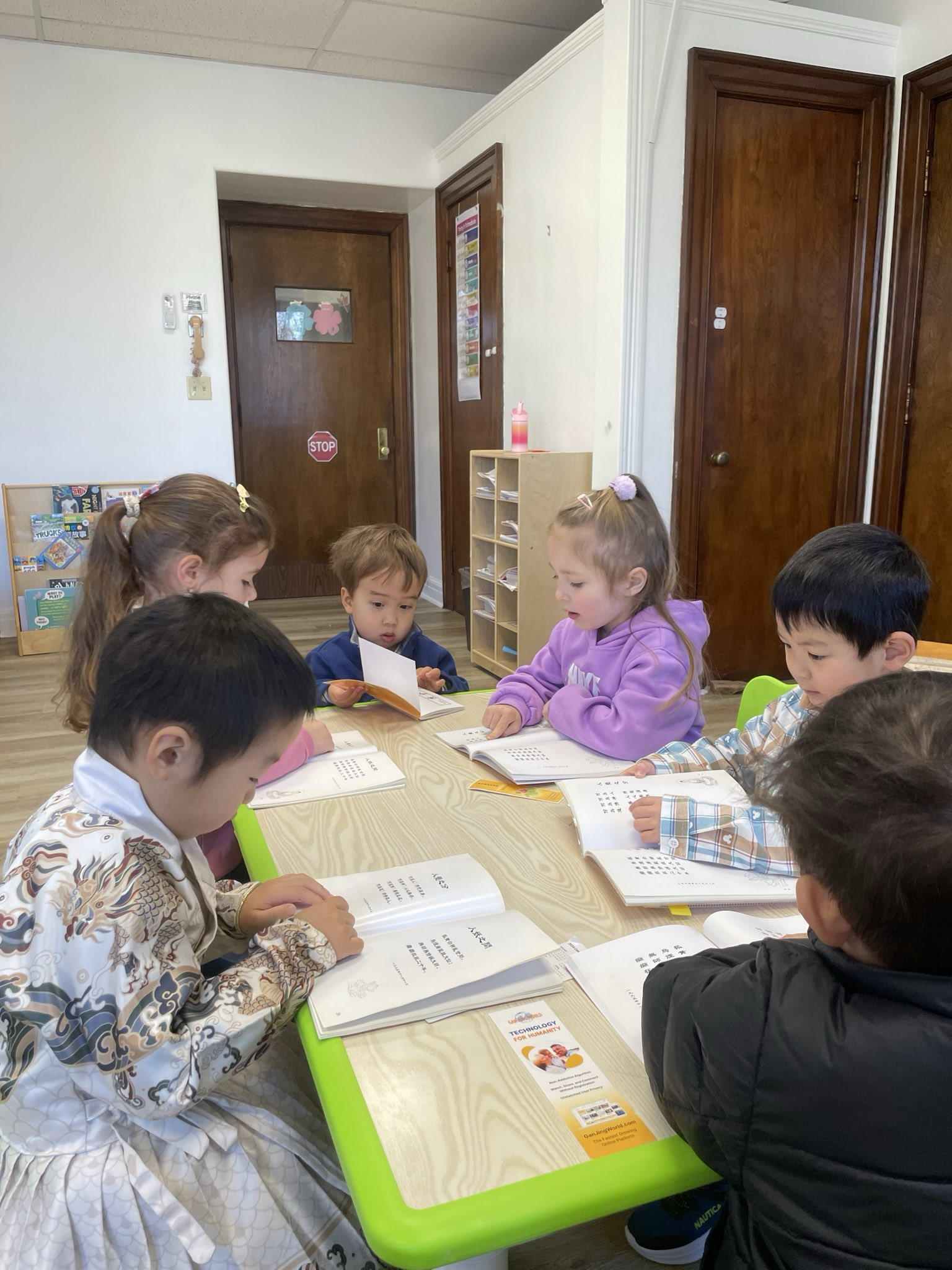
Studying the Fa, practicing the exercises, and cultivating one’s character are daily routines for the young Falun Dafa disciples at Little Lotus Academy. It is a precious and blessed opportunity for a life to encounter the cultivation of Falun Dafa. We should cherish this chance! We can express happiness in words or keep it in our hearts, but joy that comes from the heart and overflows into words is the most authentic happiness! The little Falun Dafa practitioners at Little Lotus will grow healthily immersed in this joy.
—Ling Wu, Pre-K Teacher
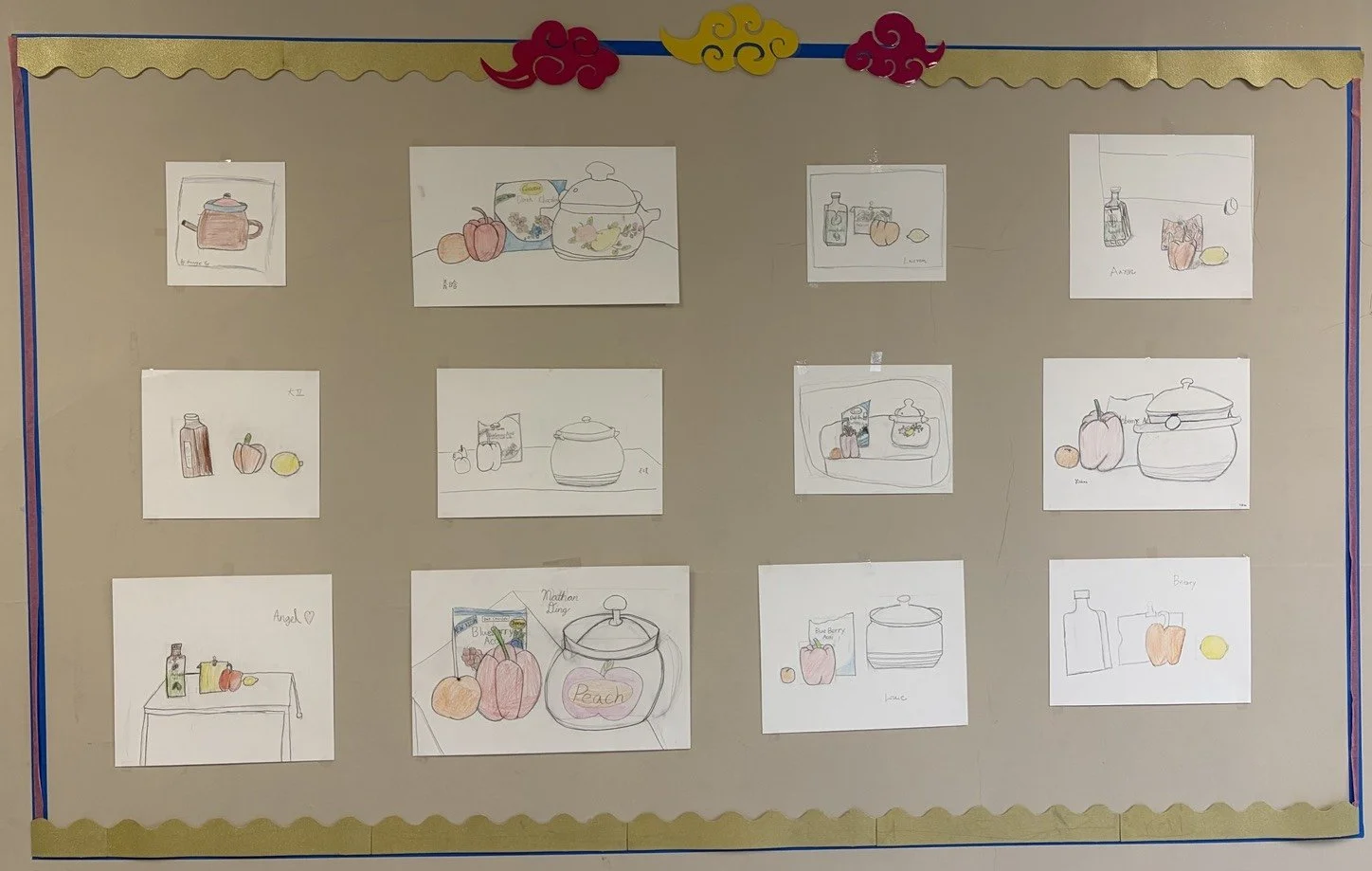
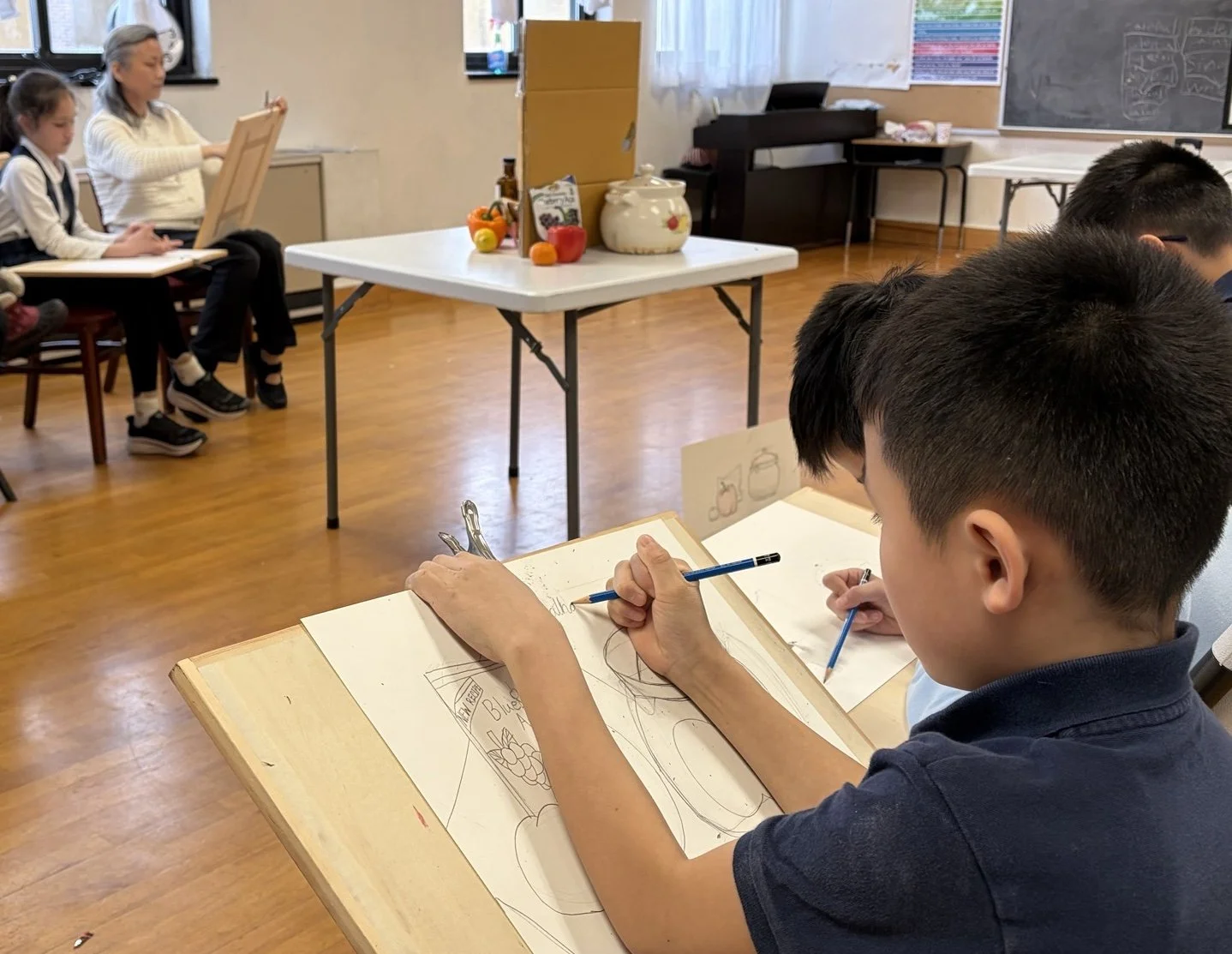
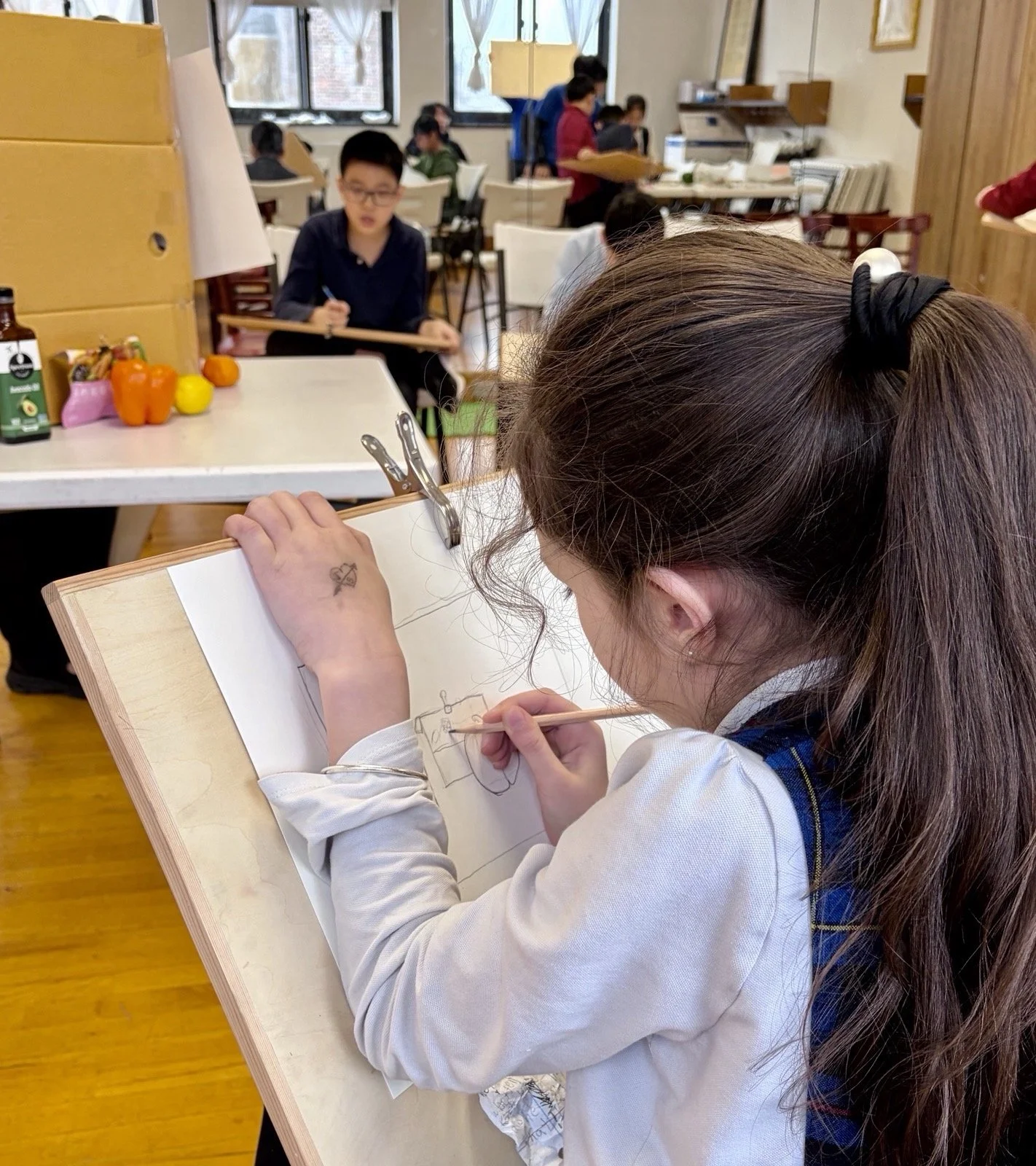
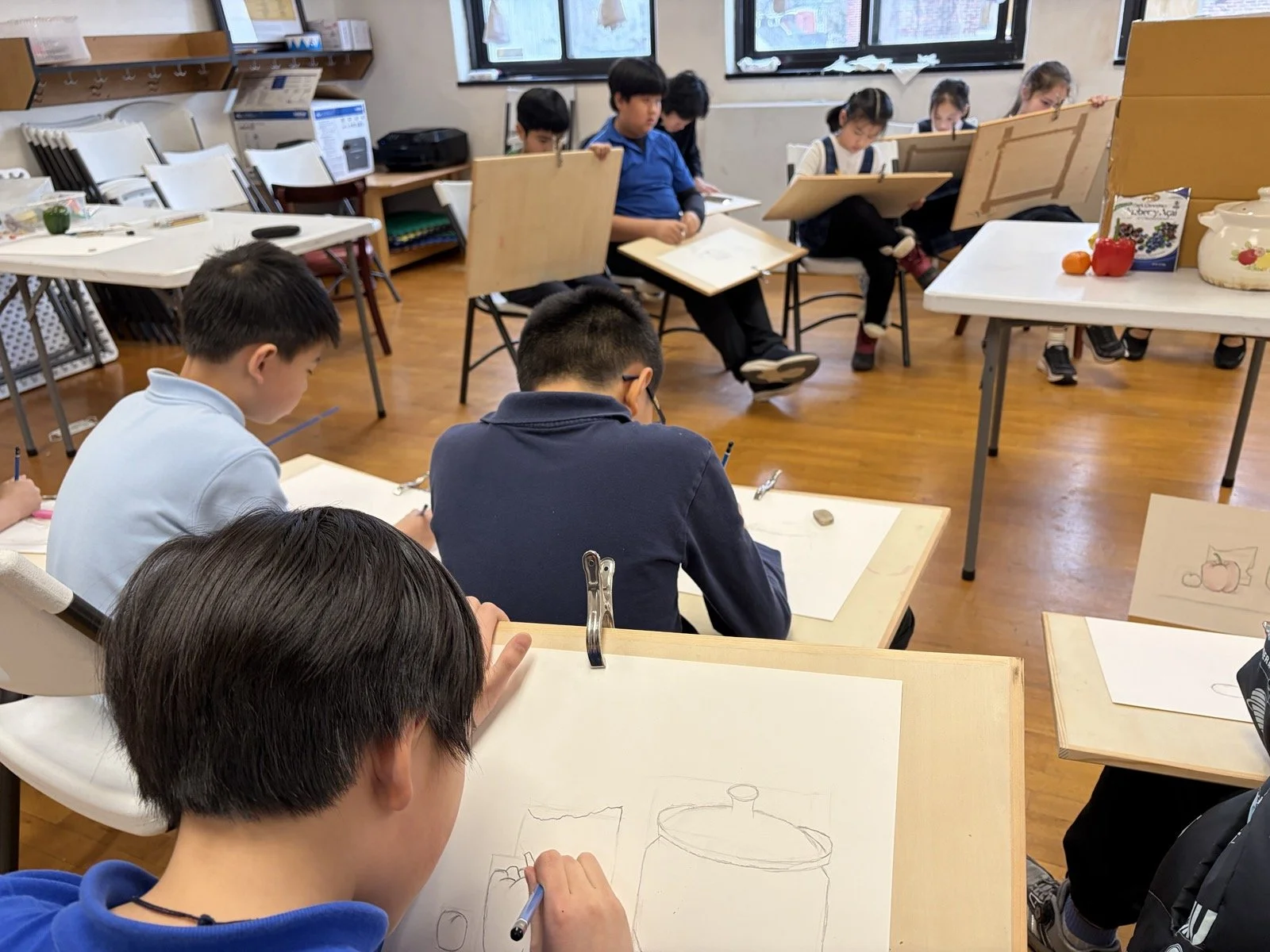
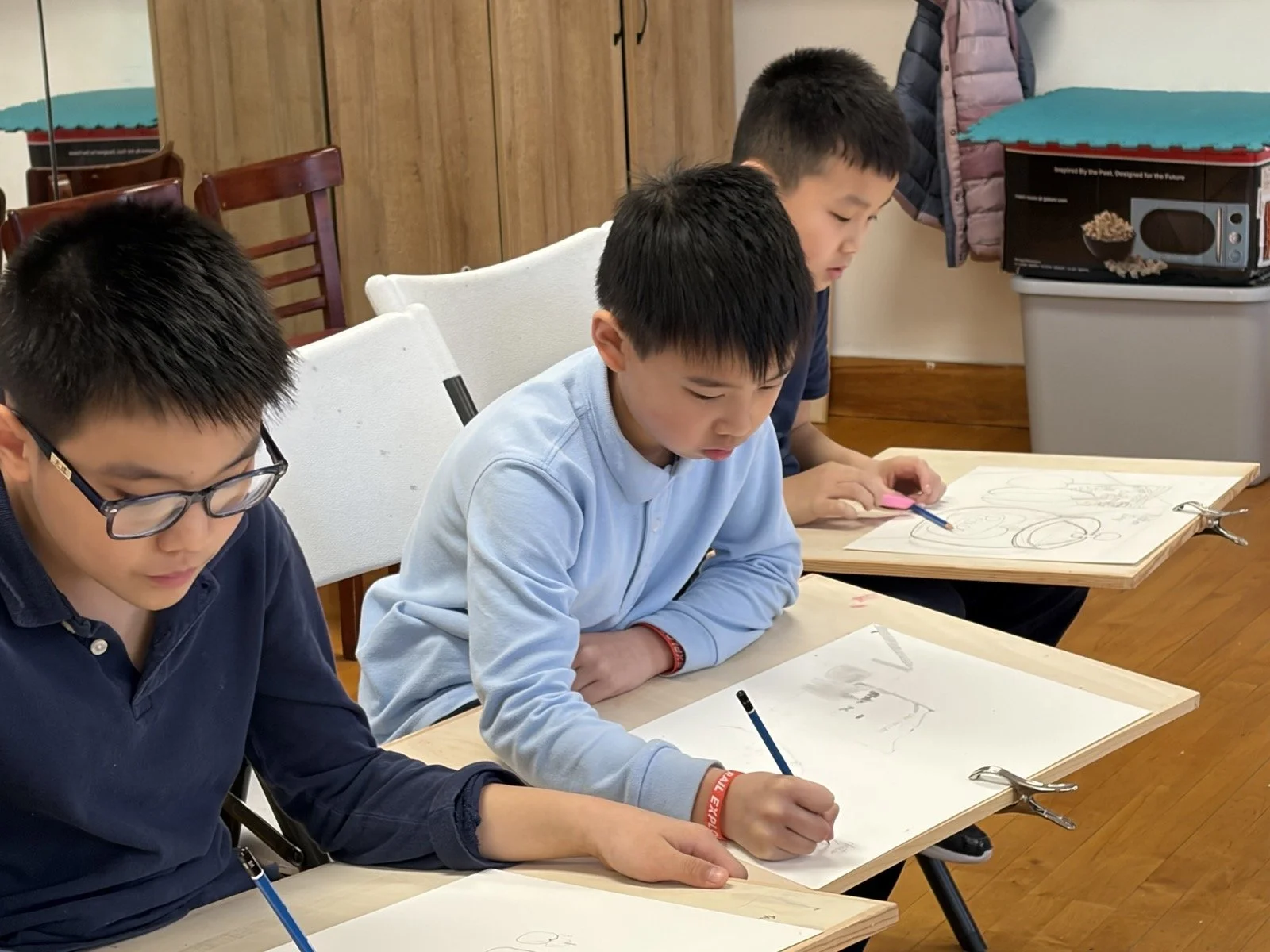
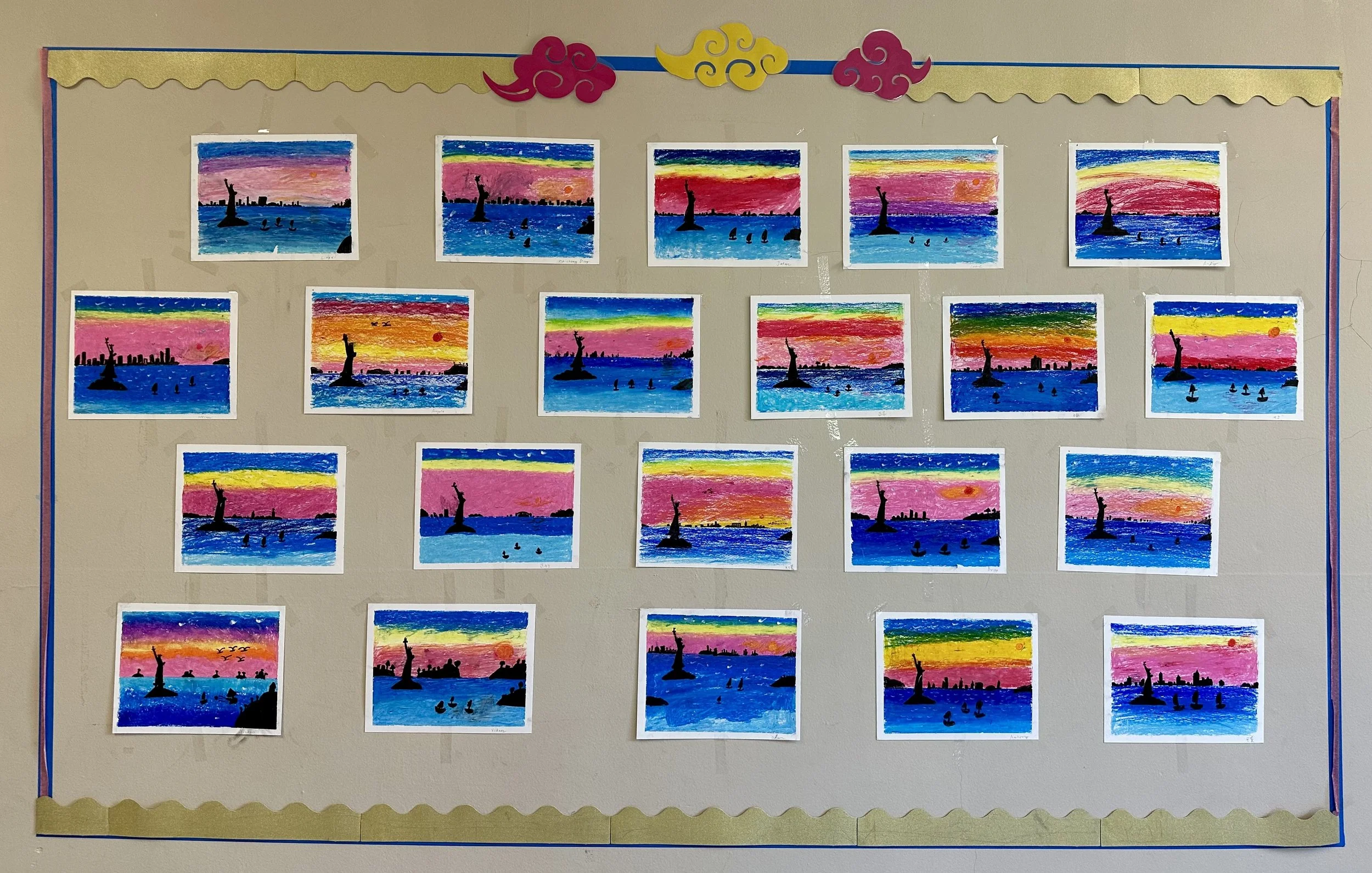
Little Lotus Art Classes
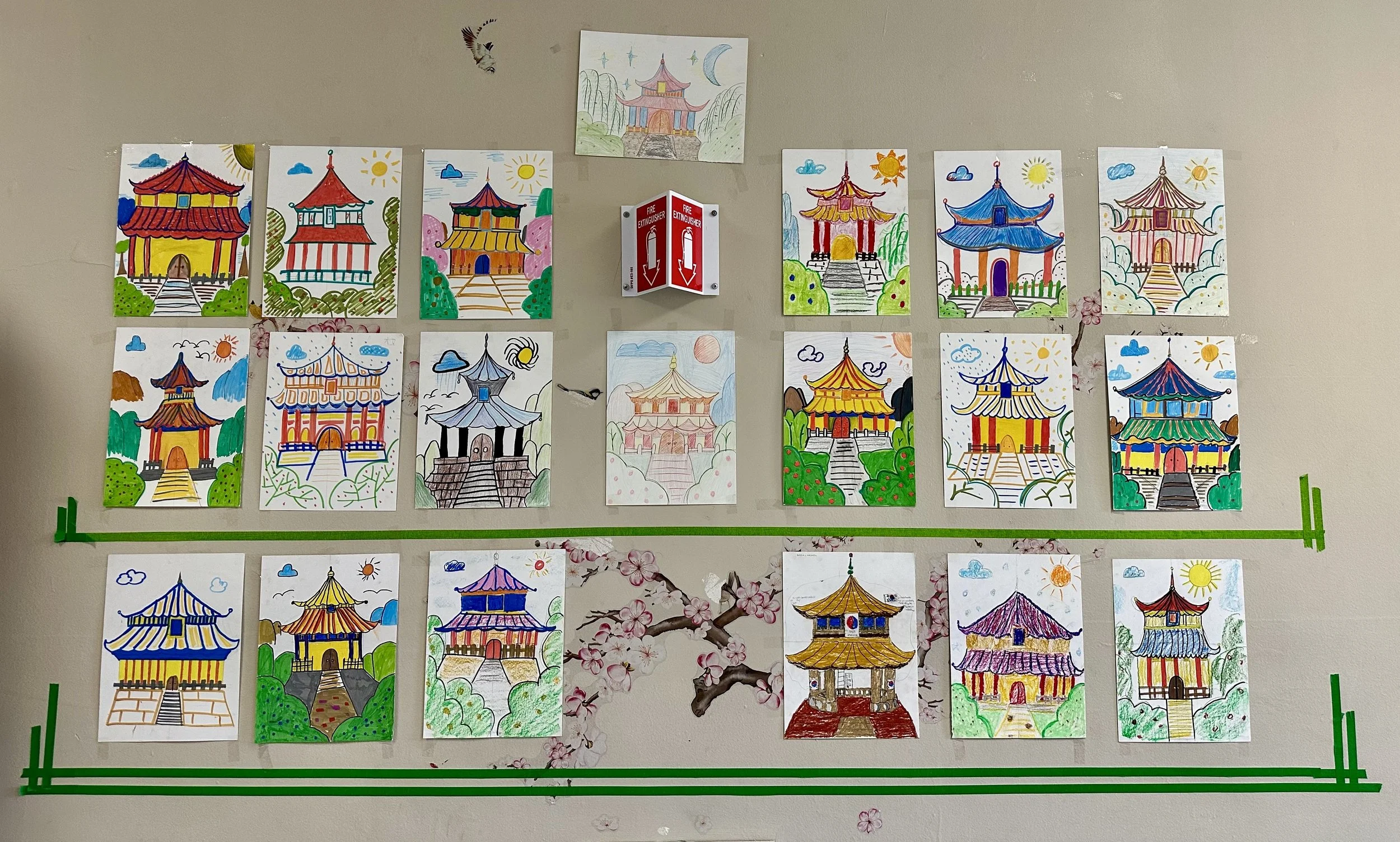
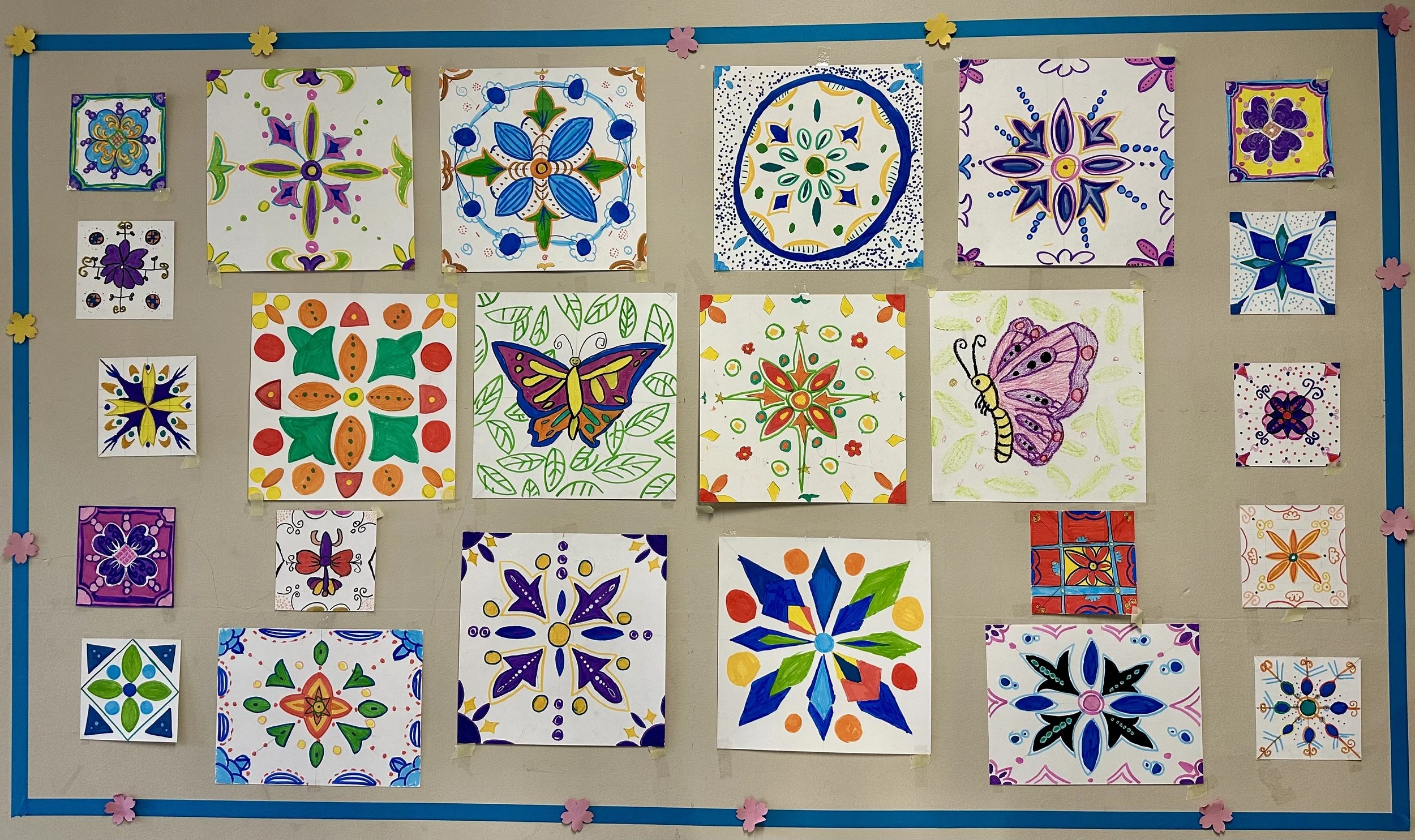
In today’s society, traditional art forms face challenges and negative influences from modern, avant-garde ideas. However, Little Lotus’ art curriculum focuses on teaching students traditional artistic methods. From choosing tools and materials to mastering painting techniques and selecting subjects, the program emphasizes developing skills in traditional painting and fostering authentic aesthetic values.
The tools and materials I use include pencils, oil pastels, markers, brush pens, and ink. My curriculum includes still sketches, color copying, art appreciation and creation, Chinese calligraphy, and children’s ink wash painting.
My teaching philosophy is that mastering basic tools of Eastern and Western painting helps students develop observation, understanding, and self-expression. Students learn composition, rendering, and color theory to build a strong aesthetic sense. Through copying, sketching from life, appreciating art, and creating, students understand various Eastern and Western art forms, experience and appreciate the beauty in nature, people, and objects, and are inspired to seek beauty.
—Jessica Huang, Art Teacher
Meditation
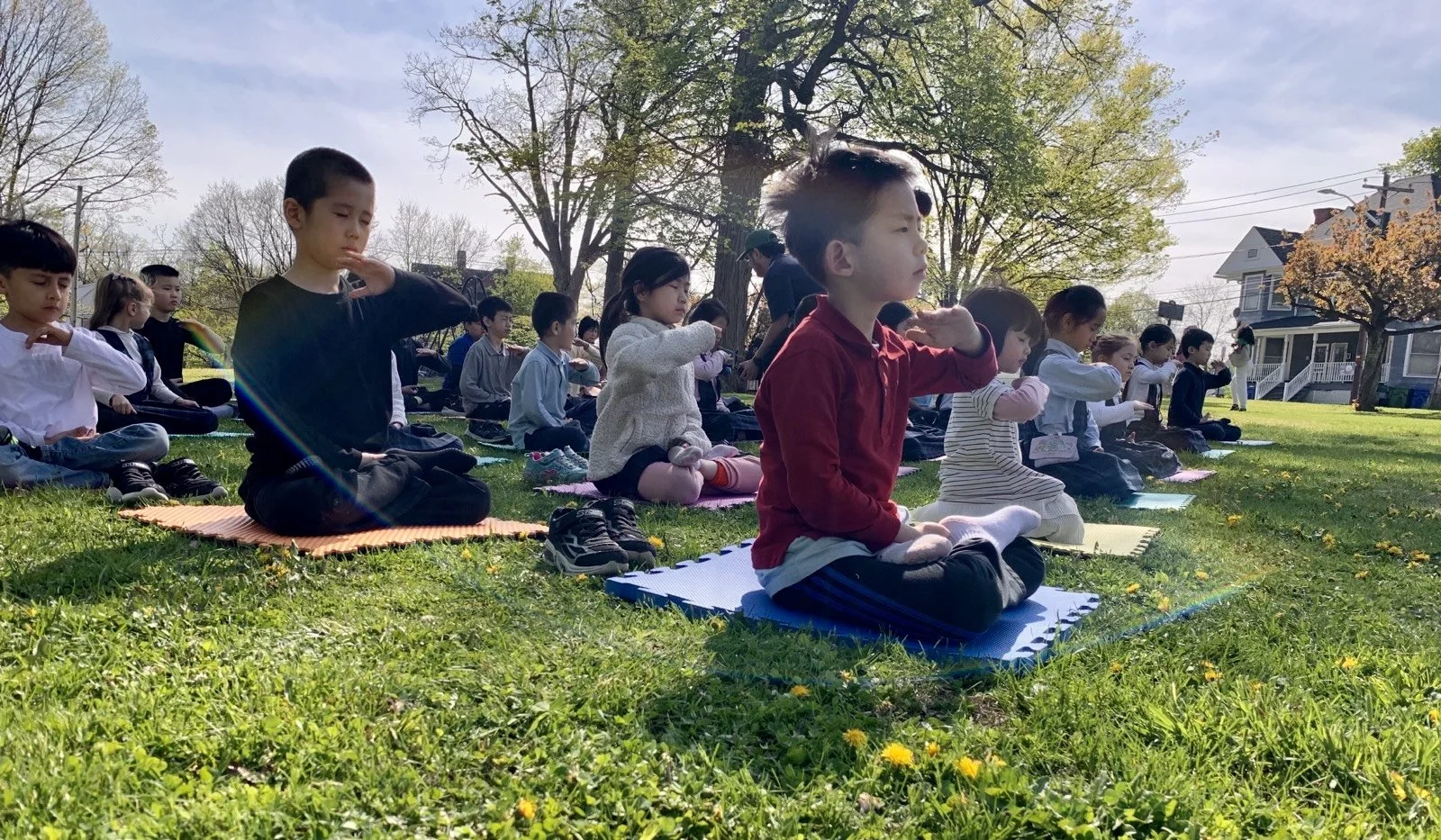
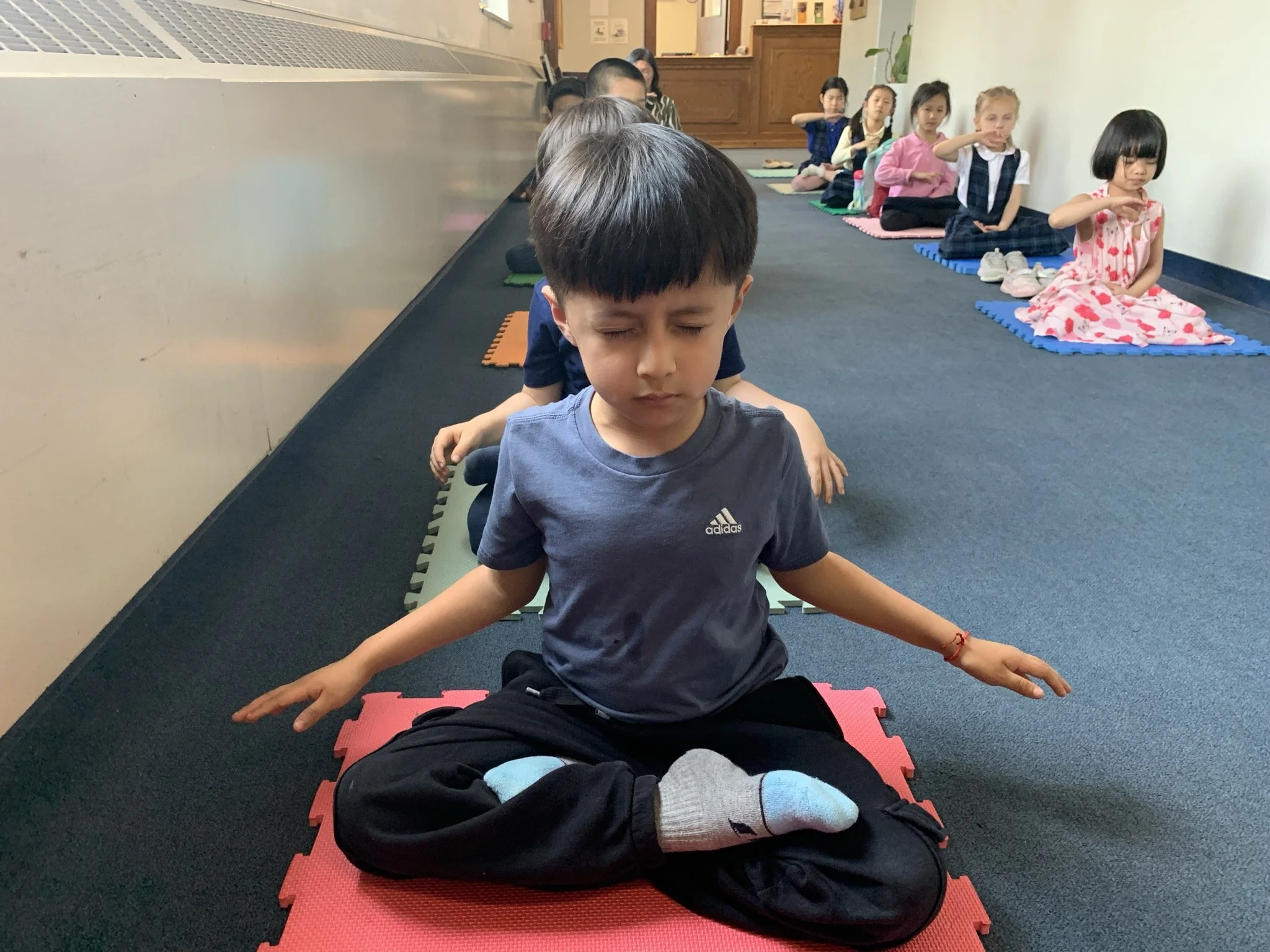
This truly is the power of the Fa. When I see little Israel, who is only five years old, practicing sitting meditation for half an hour alongside the other young disciples, I can’t help but feel a deep sense of compassion! It’s truly moving and awe-inspiring!
—Jing Liu, Gr. K & 1, Homeroom Teacher
The LLA teachers put this newsletter together.
If you would like to sign up, please click here.
